The 2.4-point gain came against a backdrop of muted demand growth elsewhere — coal generation alone fell 11.3%, while natural gas and nuclear each added less than 2% year-over-year.
Where the volume actually came from
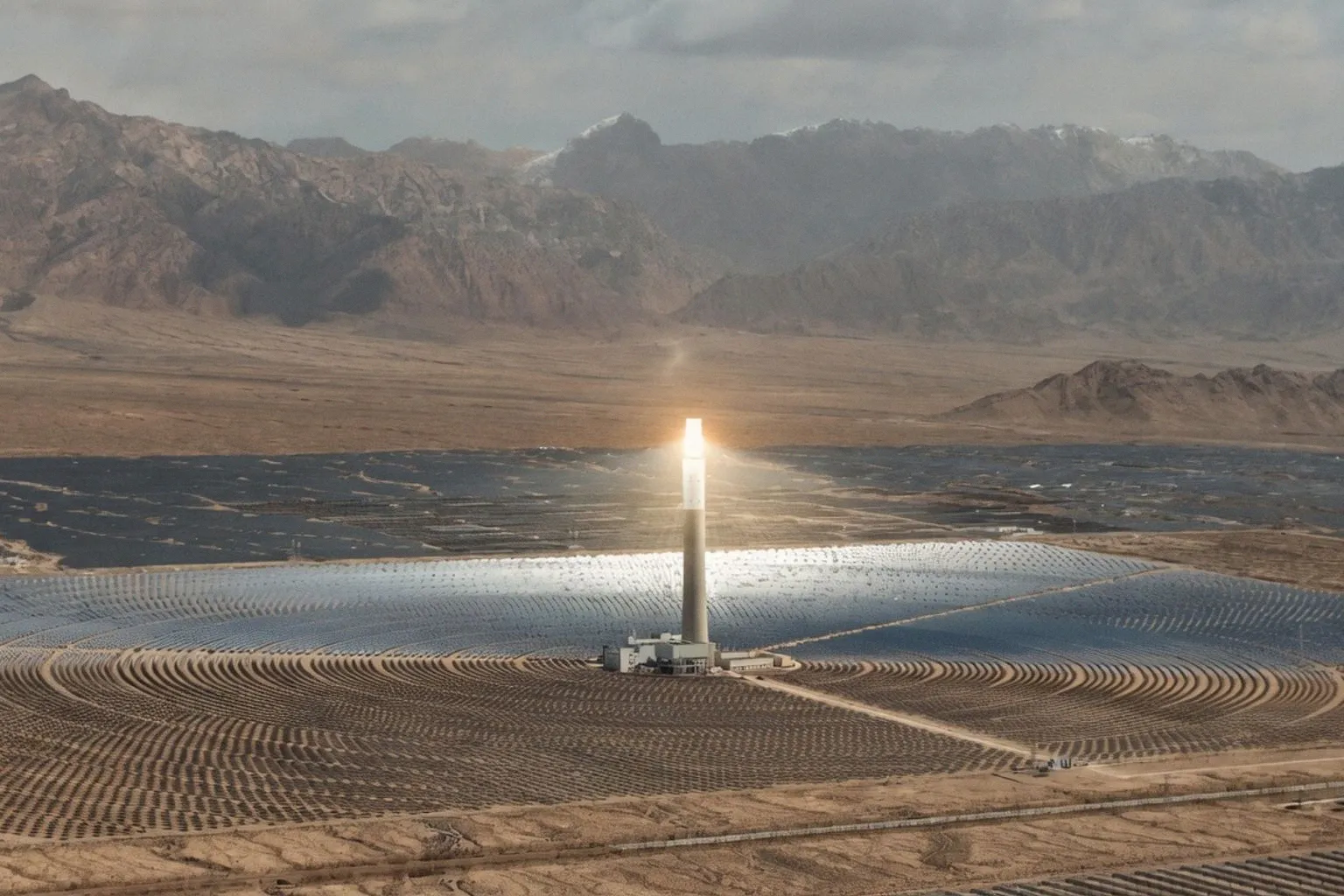
Utility-scale solar did the heavy lifting. Its output rose 21.6% in the period, far ahead of small-scale solar (+13%), hydropower (+10.1%) and wind (+6.5%). Combined, wind and solar delivered 495,975 GWh — comfortably above nuclear at 388,891 GWh and well above coal at 313,679 GWh. The 22.3% wind-and-solar share is now structurally larger than any single thermal source on the U.S. grid.
The headline 30.2% obscures one engineering reality. Capacity and generation are not the same metric. Wind and solar capacity factors still cap their effective contribution during low-output hours, which is why storage — not generation alone — is the binding constraint on further displacement of thermal baseload.
The parallel buildout
Between July 2025 and June 2026, the U.S. added 28,077 MW of utility-scale solar, 10,553 MW of wind (including 800 MW offshore), 6,492 MW of small-scale solar, and 17,859 MW of battery storage. Battery additions now rival utility-scale solar in nameplate terms. That ratio is the more consequential number: the grid's ability to absorb additional variable generation depends on flexible storage that can shift midday solar into evening peaks.
Renewables held 34.3% of total utility-scale generating capacity at the end of June. EIA projects that share to reach 37.1% by end-June 2027. SUN DAY extrapolates that renewable nameplate capacity — about 546,219 MW by summer 2027 — will overtake natural gas capacity at 518,286 MW.
Capex implications
For an infrastructure view, the inflection has already happened at the margin. New coal is uneconomic across most U.S. markets. New gas faces tightening competition from solar-plus-storage hybrids in regions with adequate solar insolation. The 11.3% drop in coal generation reflects that math rather than active retirement mandates.
The next constraint sits upstream, not downstream. Each additional gigawatt of wind or solar requires parallel investment in transmission upgrades and ancillary services to maintain reliability. The current solar pipeline is only as valuable as the storage and wires being built to evacuate it.
Ken Bossong, executive director of the SUN DAY Campaign, said renewable energy has been setting growth records for at least a decade and indicated the trajectory is poised to expand further in the coming year. The data supports the direction. Whether the grid's transmission and storage buildout can absorb that pace without forcing material curtailment is the open variable.