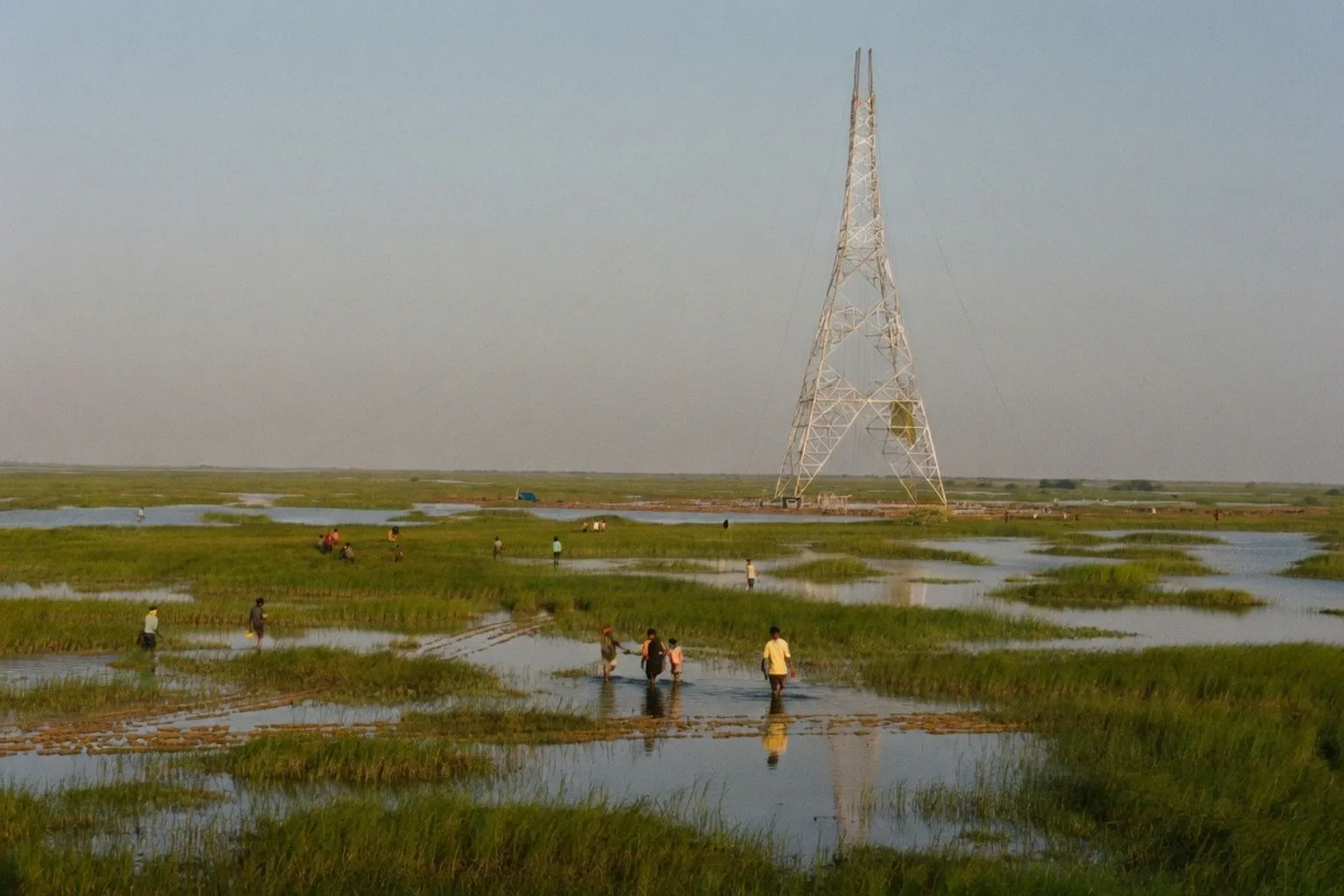
India curtailed nearly 11 terawatt-hours of solar generation over the past 15 months even as electricity demand climbed, according to Associated Press reporting drawing on government data and analysis from energy think tank Ember. The paradox is structural, not circumstantial: the grid cannot evacuate what the sun produces. With more than 300 GW of clean capacity now installed—over half the country's total—India has crossed a threshold where generation is no longer the binding constraint. Transmission, storage, and ramp-rate flexibility are.
The engineering bottleneck
Curtailment in this context is wasted megawatt-hours, and the mechanism is thermal. When solar output surges in the afternoon, coal units cannot throttle down quickly without efficiency losses, cost penalties, or operational risk. Ember analyst Neshwin Rodrigues put it plainly: "We're in a stage where some of the biggest hurdles in renewables are starting to hit us." The commercial economics follow directly. Vinay Pabba, CEO of Hyderabad-based renewable developer Vibrant Energy, noted that "we get paid only for what we put on the grid"—a reminder that curtailed energy is unpaid energy, and unpaid energy compresses project IRRs before financing is even arranged.
The technical remedy is clean on paper and punishing on the balance sheet. India needs high-voltage transmission corridors capable of moving midday surplus from the sun-belt states to demand centers hundreds or thousands of kilometers away. Reporting from Energetica India underscores that those corridors depend on a domestic manufacturing base for transformers, condenser bushings, switchgear, and associated grid components that does not yet exist at the required scale. Battery energy storage offers a parallel lever: absorb midday surplus, discharge into the evening peak. BESS capex per MWh is falling, but the long-duration storage pipeline remains nascent, and tendered capacity still lags analyst expectations.
What to track now
The near-term signal is coal's persistence, not its decline. Despite the headline capacity figures, coal still supplies the majority of India's electricity. Editorial framing from Power Line treats the next phase explicitly as a transmission imperative: curtailment falls when grid buildout and renewable siting are planned as one integrated system rather than two parallel ones. Coverage from SolarQuarter of an MCX report points in the same direction—India's coal market is entering a structural shift as energy markets mature, but the pace of that shift is now a transmission-and-storage problem, not a generation problem.
For readers tracking the commercial trajectory, three metrics matter more than installed-capacity announcements: interstate transmission line commissioning rates, BESS tenders awarded versus megawatts actually deployed, and the curtailment percentage reported quarterly by state load despatch centers. The first two describe the build. The third reveals whether it is working.