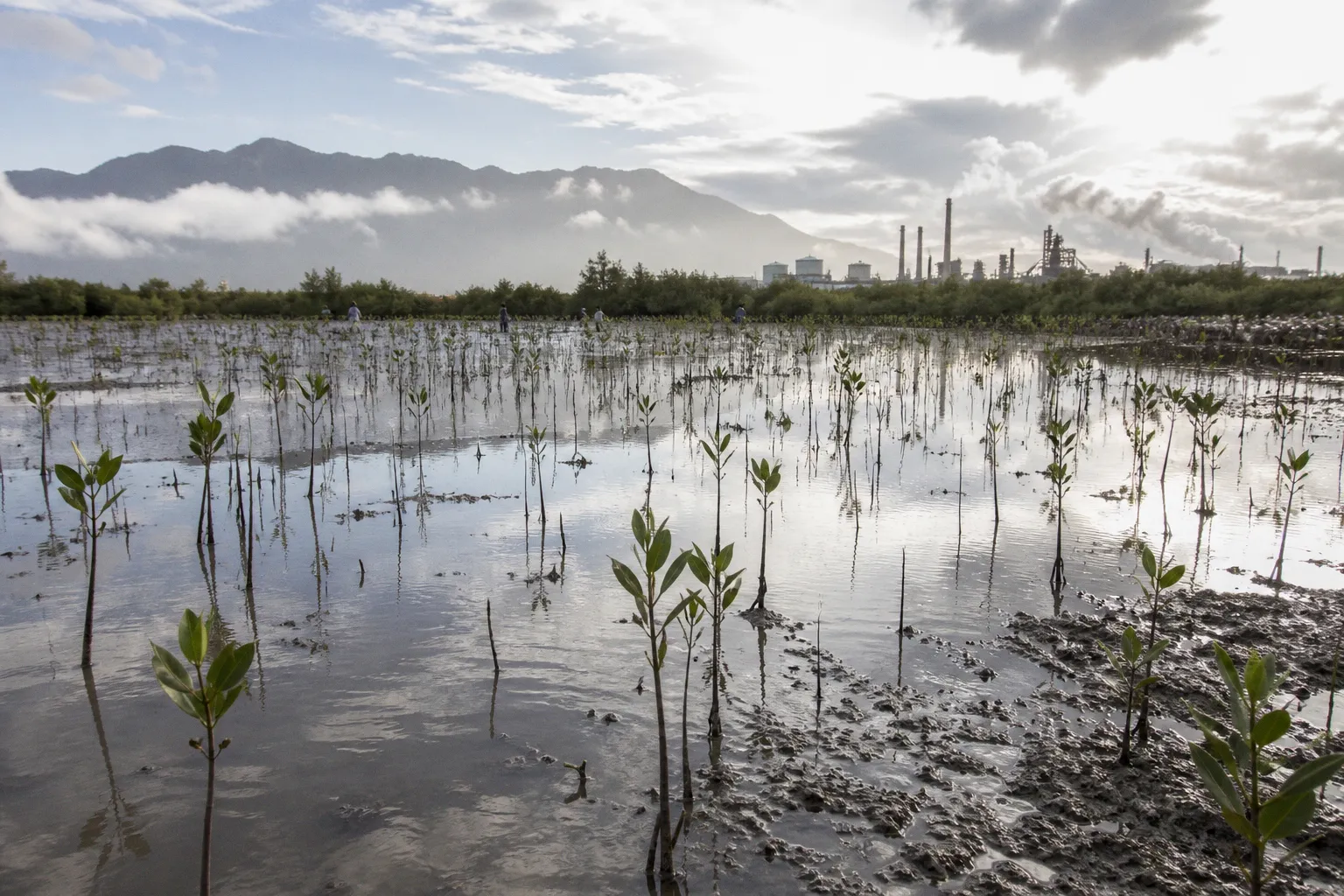
According to the International Union for Conservation of Nature (IUCN), a new brief links biodiversity loss, land degradation and climate-induced Loss and Damage—three policy files that are too often handled in separate bureaucratic rooms. Its central argument is less glamorous than a new pledge but potentially more consequential: governments need integrated approaches if climate adaptation, land restoration and finance are to reflect the full damage ecosystems and communities are already facing.
The issue matters because conventional Loss and Damage assessments can miss ecosystem-related losses, particularly where harm is difficult to express in financial terms. The brief was published ahead of upcoming UN environmental summits, placing the question squarely in the familiar diplomatic territory where everyone supports coordination, provided nobody has to explain who will pay for it.
The accounting gap is now a policy problem
IUCN says climate and disaster impacts on ecosystems can affect biodiversity, livelihoods, cultures and economies, while many of those losses remain difficult to assess. That difficulty is not merely technical. What cannot be properly measured is easier to exclude from national planning, disaster reporting and climate-finance decisions.
The proposed response is FRAME-ECO, a collaborative initiative involving the UN Environment Programme, the UN Office for Disaster Risk Reduction and the UN University Institute for Environment and Human Security. It is intended to develop a multidimensional framework for assessing biodiversity and ecosystem-service losses.
In policy language, this is a framework. In practical terms, it is an attempt to prevent the damage caused by degraded land and collapsing ecosystems from disappearing into separate reporting systems, each with its own definitions, deadlines and institutional gatekeepers. The initiative is also designed to support national climate-adaptation and disaster-risk-reduction systems, inform climate finance and contribute to operationalizing the Fund for Responding to Loss and Damage.
That last objective is where the politics becomes harder. A better assessment system may improve the case for funding, but it does not itself create funding. Data can clarify a shortfall; it cannot, on its own, persuade governments to accept a larger liability.
What should be watched in the next phase
The practical test is whether the proposed approach moves beyond another non-binding vocabulary exercise. IUCN’s brief points toward the use of existing approaches, including SEEA Ecosystem Accounting and the IPBES values framework, while arguing for stronger coordination between institutions and processes.
For climate and environmental policy watchers, several signals will matter.
First, whether ecosystem losses are incorporated into national adaptation and disaster-risk systems rather than left in specialist biodiversity documents. Integrated policy is easy to endorse in a conference room; integration into budgets, reporting rules and national plans is the less photogenic part.
Second, whether assessments include non-economic losses. The IUCN brief identifies impacts on livelihoods, cultural values and ecosystem services as part of the gap. If these categories are omitted because they are inconvenient to price, the resulting figures may look precise while remaining materially incomplete.
Third, whether improved evidence produces investable solutions. The brief identifies adaptation based on ecosystems and land restoration as ways to build resilience and help prevent future losses, but also notes the continuing challenge of demonstrating financial returns for resilience investments. That is the point at which many ambitious frameworks meet the spreadsheet—and discover that prevention is often valued only after failure has supplied an invoice.
The unresolved question behind the framework
The IUCN’s intervention is important because it connects three forms of damage that governments and financiers have often treated as separate: the loss of biodiversity, the degradation of land and the consequences covered by Loss and Damage policy.
But the brief’s own logic exposes the unresolved problem. Better evidence is necessary to direct finance, yet the demand for financially legible evidence can also narrow the definition of what counts as a loss. If livelihoods, cultural values and ecosystem services are forced into an accounting system designed mainly for monetary returns, the framework may become more sophisticated without becoming more just.
The coming UN discussions will show whether integration means shared responsibility—or simply a more elegant way to catalogue losses that remain unfunded.