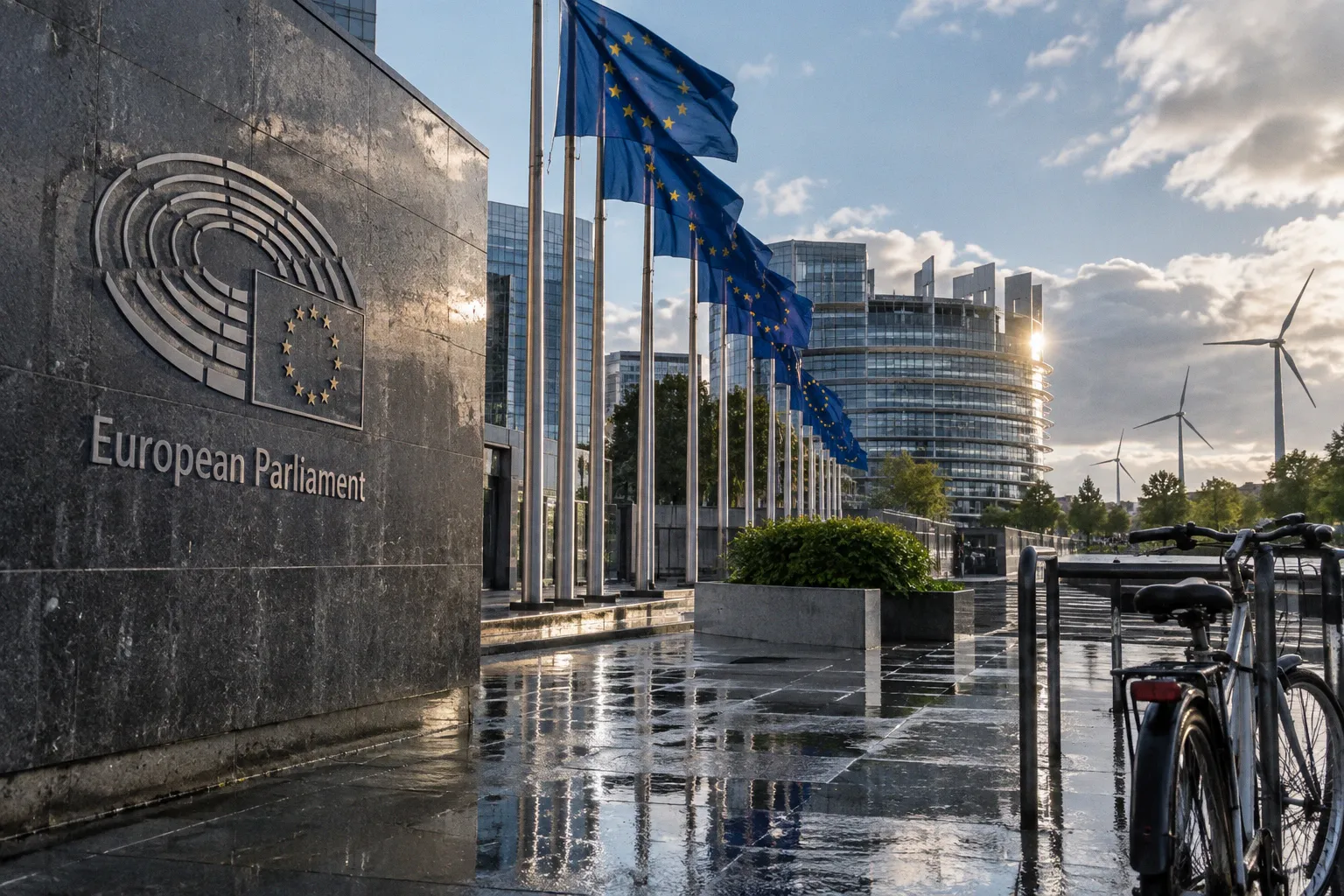
The message from UN Climate Change Executive Secretary Simon Stiell, delivered to the European Parliament's Environment Committee, reframes the energy transition not as an environmental preference but as a balance-of-payments calculation.
The grid math behind the rhetoric
Stiell's framing — that renewables shield economies from supply shocks and fuel-price exposure — collides with a quieter reality now under formal parliamentary review in the UK. Days after the EU address, the House of Commons' Environment and Climate Change Committee opened an inquiry into the intermittency risks of renewable-heavy grids. For anyone reading the energy transition through a systems lens, the timing is not coincidental. Baseload displacement, storage capex, dispatchable backup, and grid-scale balancing remain the unresolved variables in any honest cost-benefit analysis of Europe's decarbonisation pace. Scaling wind and solar without firming capacity simply transfers import risk from fossil fuel markets to weather patterns, and weather patterns do not hedge.
What the numbers won't tell you
The UN's narrative of energy independence through electrification rests on assumptions that no public utility CFO would sign off on without significant storage buildout. Each gigawatt of intermittent capacity requires roughly proportional investment in batteries, transmission reinforcement, or gas-peaker backup to maintain reliability standards. Stiell's economic-security framing implicitly assumes this dual investment will arrive on schedule and on budget — an assumption the UK's newly launched inquiry is designed to stress-test rather than validate. The intermittency inquiry is, in effect, the engineering audit that should have preceded the security argument.
Asia is asking the same question
The European warning lands alongside parallel moves across Asia-Pacific. Singapore's Economic Development Board continues positioning the city-state as a sustainability ecosystem hub, while Malaysia's reporting on a new Climate Change Bill has stressed balancing mitigation spending with adaptation finance. The commercial viability question is identical across jurisdictions: how quickly can grid-scale storage, demand response, and dispatchable firm capacity replace the thermal baseload being retired before intermittency costs erode the very economic resilience Stiell is invoking.
The sober assessment: European policymakers have been handed a security argument for renewables that depends entirely on grid engineering they have not yet costed. Watch the UK inquiry's interim findings — they will reveal whether Stiell's hedge is real or rhetorical.