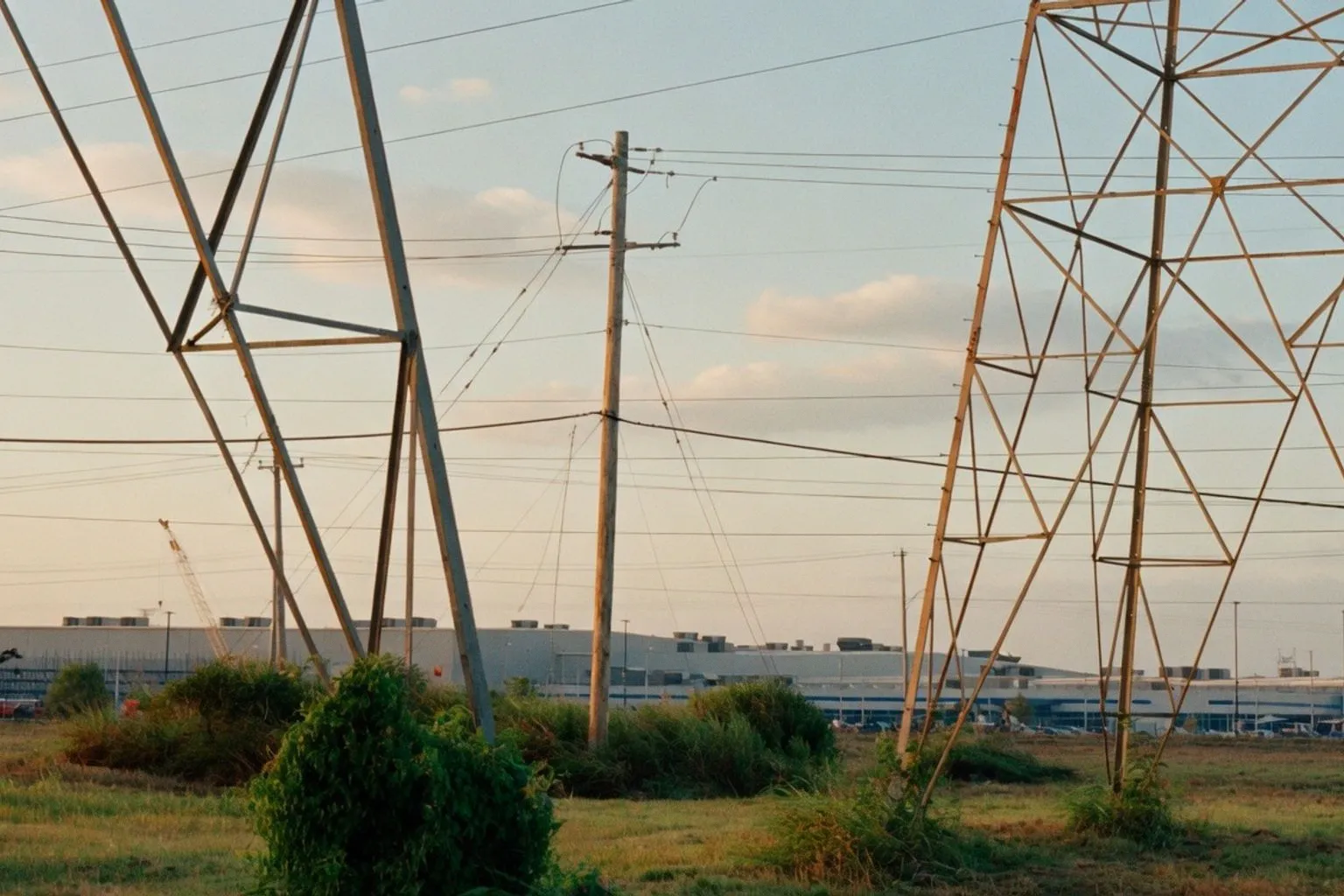
The bottleneck is not generation; it is the aging interconnection process that links new power plants, especially renewables, to high-voltage transmission corridors. Rising load from data centers, heat pumps, and electric vehicles is colliding with a queue system built for a handful of large gas plants.
The Queue Wasn't Built for This
The contiguous U.S. operates three largely independent interconnections—Western, Eastern, and Texas—and power producers must apply to tie new facilities into high-voltage lines through a regional process designed to evaluate a handful of large gas projects per cycle. That process is now buried under orders-of-magnitude more applications, with limited ability to move power between regions. Kevin Kircher, an assistant professor of mechanical engineering at Purdue University, noted that many lines are "really close to capacity" and "can't accommodate much more energy." Near-term, the operational risk is pushing lines past rated capacity and damaging equipment; over time, the risk is rolling outages during peak demand in heavily populated regions including New York and Pennsylvania.
Where Capital Is Actually Flowing
BloombergNEF's 1H 2026 Renewable Energy Investment Tracker puts global clean energy investment at $327.5 billion, with a clear tilt toward hybrid configurations. Co-located solar and storage projects drew a record $25 billion, while standalone solar and wind faced tighter scrutiny from financiers and grid operators alike. Texas has connected more wind, solar, and battery capacity than any other U.S. region—not because its politics are favorable, but because interconnection has moved faster there. Rob Gramlich, president of consulting firm Grid Strategies, observed that the volume of wind, solar, and battery connections in Texas is "massive" even amid contentious politics.
What to Verify Before Betting on the Timeline
Three items deserve a second look before any project pipeline is marked shovel-ready. First, confirm the interconnection queue position with the relevant regional operator and the most recent study deposit—delays compound, and re-studies extend timelines materially. Second, model whether a co-located storage component changes offtake economics; the BloombergNEF figures show capital already repricing standalone renewables against hybrids. Third, watch interconnection reform at the regional level: it remains the single highest-leverage variable for whether U.S. capacity additions keep pace with the load forecast, and the evidence so far is that some regions—notably Texas—are connecting renewable and storage capacity far faster than others.