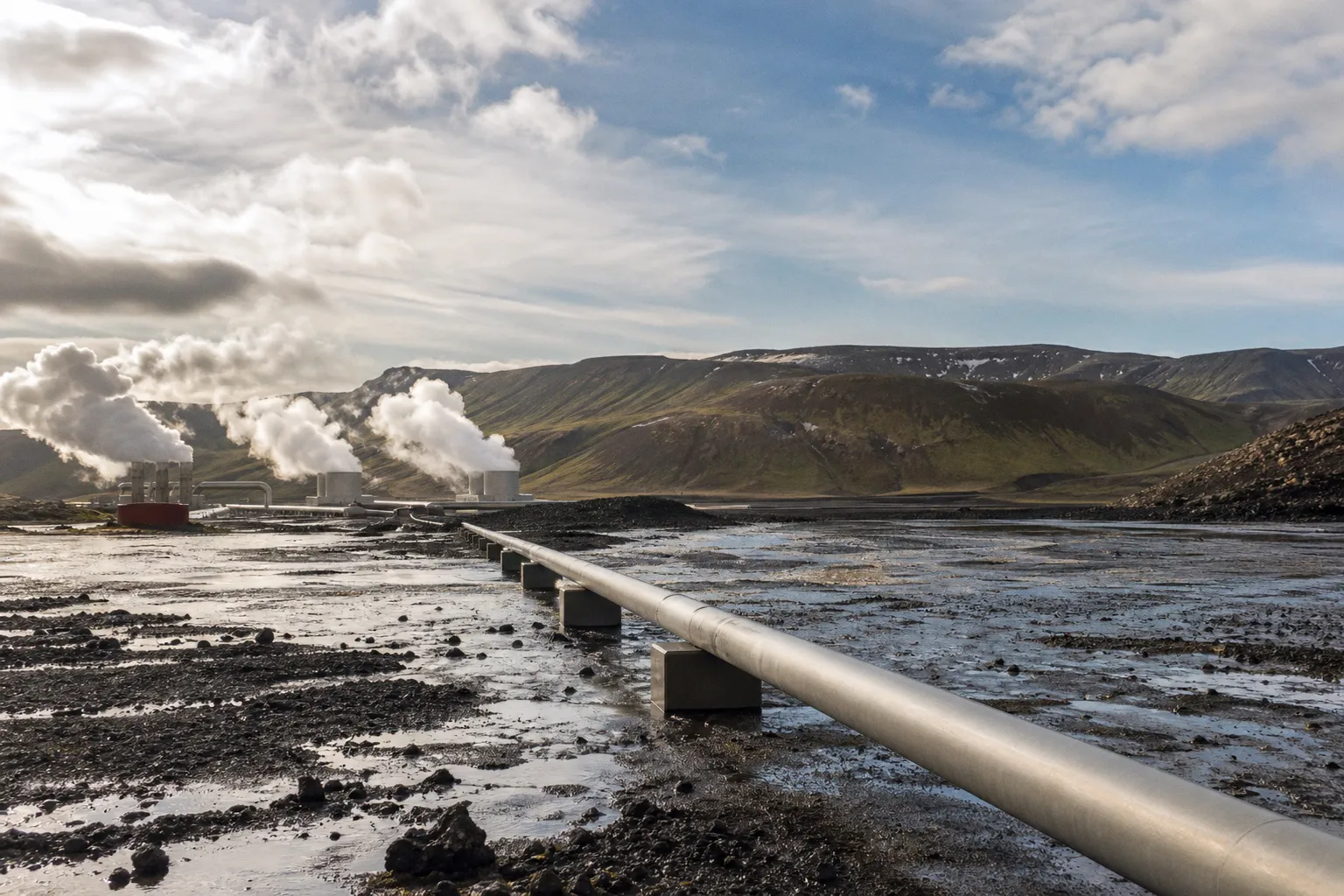
Geothermal GRID: Geothermal's Value in Powering the Future
The U.S. Department of Energy's Office of Geothermal has selected eight regional modeling projects under its GRID initiative, announced in July 2024, to quantify what firm geothermal power actually delivers to grid stability — measured in reliability and economic terms, not nameplate capacity. The program is the federal government's most explicit attempt to put geothermal on the same valuation footing as other dispatchable resources in planning and procurement decisions. For analysts tracking how baseload alternatives compete against intermittent renewables, this is the dataset to watch.
From capacity to firmness: what GRID actually measures
GRID funds modeling work using advanced analysis tools to assess how geothermal supports the U.S. electric grid across regional footprints. The intended output is a set of valuation metrics designed to capture economic and reliability benefits — the figures that enter capacity market auctions, integrated resource plans, and utility commission dockets.
That framing matters. LCOE tells you nothing about what happens when wind output drops at peak demand. Capacity credits, firmness premiums, and avoided curtailment costs are the currencies that determine whether a technology gets procured at scale. GRID is explicitly built to populate that ledger, and the Office of Geothermal describes the work as supporting "informed decision making for future energy policies and funding."
Eight projects, one standard caveat
The Office of Geothermal has named project leads for each of the eight grid regions under study. The selection clears the first hurdle but does not constitute a commitment. DOE and the applicants will undergo a negotiation process before any funding is issued, and DOE retains the right to cancel negotiations and rescind the selection during that window. Until contracts close, these remain pre-commercial commitments on paper.
What to track when the numbers land
The timing of GRID coincides with a sharper public focus on reliability and cost. A YouGov survey of 2,142 UK adults, commissioned by Eland Cables and conducted in July 2026, found that 51% do not believe renewables will deliver affordable energy over the next decade; the same share doubts renewables will generate enough electricity to meet future demand. National support for nuclear stood at 47%. As Jean-Sébastien Pelland, executive director at Eland Cables, framed it: "The public is no longer asking whether renewable energy should be deployed. The bigger question is whether the benefits are being felt yet."
That pivot — from generation volume to system value — is the territory GRID is designed to map. Three signals will determine whether the initiative moves geothermal from demonstrated capability to procurement priority:
- Metric adoption. Whether the resulting reliability and economic metrics enter ISO and RTO planning documents or remain academic exercises.
- Cost benchmarking. Whether modeled benefits hold up against the capex realities of bringing firm geothermal capacity online at scale.
- Regulatory uptake. Whether state utility commissions treat modeled firm-power benefits as a procurement criterion comparable to other dispatchable resources.
The sober assessment: the modeling is necessary, not sufficient. Whether geothermal earns a structural seat in the grid depends less on what the resource permits and more on whether the economics clear the bar that GRID itself will help define.