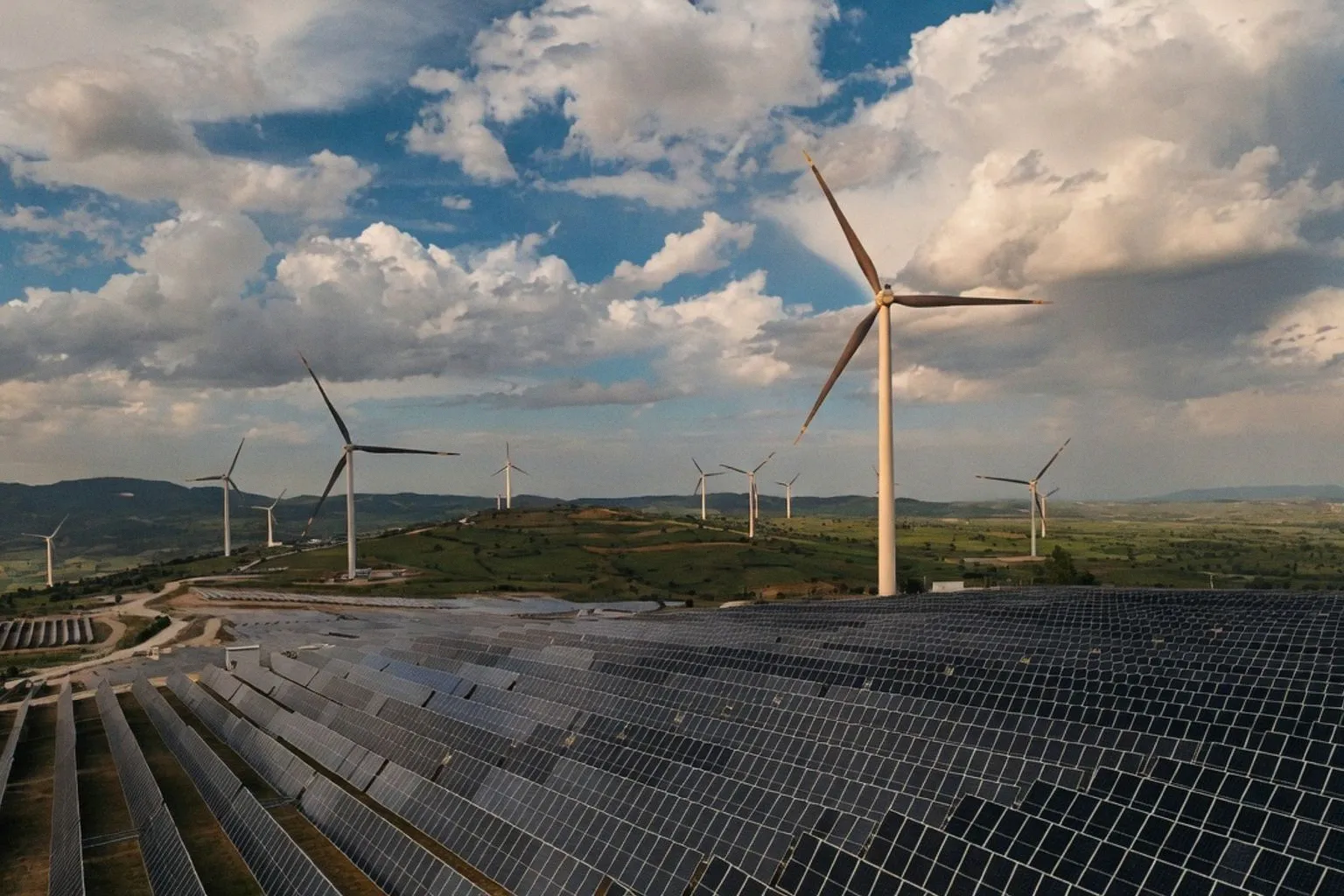
The headline figure is less interesting than the engineering profile behind it: hyperscale loads are firm, geographically concentrated, latency-bound, and growing fast. That profile exposes a structural problem for any clean-energy portfolio that has been optimizing for nameplate capacity instead of dispatchable megawatt-hours.
Baseload reality under AI load
EPRI's 9% projection sits inside a broader US demand surge of 15–20% over the next decade, driven by AI workloads, reshored manufacturing, and sectoral electrification. DOE's framing is unambiguous: meeting the 2050 net-zero target requires at least a doubling of current electricity supply. Wind and solar scale; they do not firm. A campus that cannot absorb a 200ms latency spike or a 12-hour cloud-cover event will not run on intermittent renewables, regardless of how many gigawatts get permitted.
The supply-side portfolio DOE outlines—leveraging existing nuclear and hydropower, redeveloping retired coal sites with their transmission intact, expanding grid infrastructure, and pursuing demand-side efficiency—reads less like a strategy than an inventory of available levers. None of it moves fast. Multi-year permitting for transmission; multi-decade timelines for new nuclear. The cheapest path remains cutting load before building capacity.
Firm power is where the capital flows
Cross-border signals suggest the market has noticed. Canadian Prime Minister Mark Carney on Monday announced a CAN$70 billion ($50.5 billion) clean energy package centered on a near-tripling of Churchill Falls' hydroelectric capacity in Labrador. Ottawa contributes CAN$10 billion; the balance comes from provincial utilities and industrial developers. The package includes transmission infrastructure to route hydropower through Quebec into US markets—exactly the firm, low-carbon megawatt-hours hyperscale buyers underwrite.
Industry headlines indicate renewed demand for domestic turbine manufacturers tied to grid upgrades and equipment replacement cycles, though specific order backlogs are not detailed in available reporting. India, separately, is seeing growth in exchange-traded energy instruments and hedging products as its markets mature, per a recent industry report.
What to watch
The Lawrence Berkeley National Laboratory assessment of data center energy and water use—scheduled for release by year-end—will reset the baseline against which all of these forecasts are measured. Until then, the binding variable is dispatchable clean capacity. Portfolios built around intermittent generation will not pencil out for the largest buyers; the Churchill Falls announcement suggests institutional capital is moving toward firm supply first.
The discipline of staged optimization—trimming waste before adding supply—applies as readily to grid engineering as to cleaner audio in fewer steps. Cheaper megawatts rarely come from building more; they come from using less.