The digital layer behind distributed energy resources—EVs, storage, microgeneration, virtual power plants—is now being asked to do work the 2024 edition did not anticipate: real-time orchestration of assets that act simultaneously as load and generation.
From telemetry to dispatch
The 2024 report framed digital tools as integration aids for renewables. The 2026 update, authored by lead analyst Nikita Singh and research director Suruchi Dhingra, reframes them as operational control systems. Smart meters and connected EV chargers now feed utilities with consumption data granular enough to drive dispatch platforms rather than monthly billing. Digital twins model grid stress in near real time. AI-driven forecasting has moved from planning into active load and storage management.
Eight domains anchor the analysis: smart electricity meters, smart grids, microgeneration, energy storage, EV charging, microgrids and virtual power plants, digital design and planning, and energy trading. Maturity varies sharply across them. VPPs, treated as emerging in the earlier report, now carry primary responsibility for aggregation complexity. The report notes that as more distributed assets connect, visibility and coordination become the rate-limiting steps—suggesting that hardware deployment in storage and EVs has, in many cases, moved ahead of the software needed to dispatch it dynamically.
Industrial demand reshapes the load curve
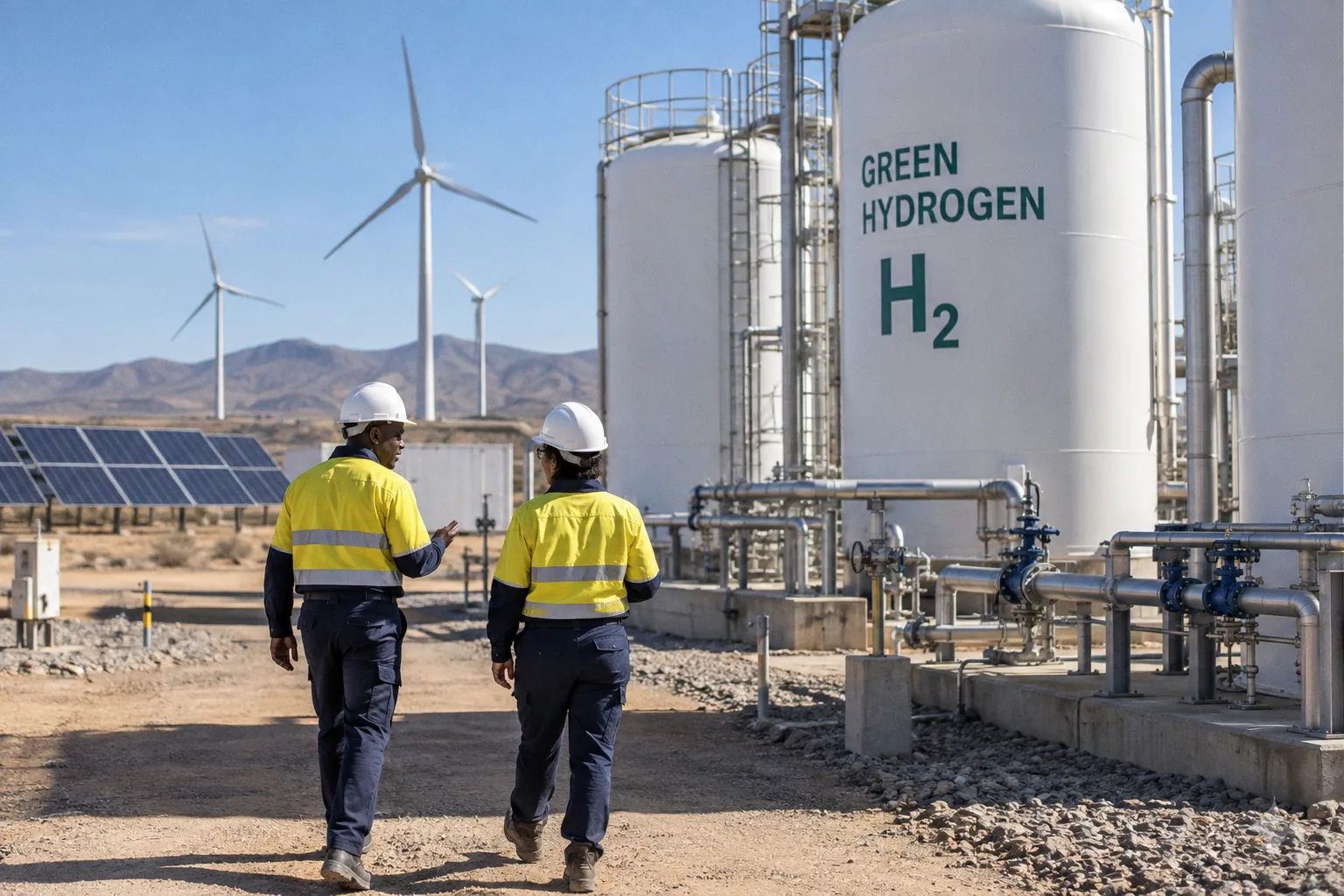
At the inaugural African Green Industries Summit in Swakopmund earlier this month, Namibia's National Planning Commission Director General Kaire Mbuende framed green hydrogen as industrial feedstock rather than a fuel substitute. "The issue before us therefore is no longer how much green hydrogen we can produce. It is what we can manufacture with it, the minerals we can beneficiate, the industries we can decarbonize, and the infrastructure we can develop," he said at the summit. The country's Sixth Development Plan sets specific targets: 1.3 million tonnes of green ammonia annually, 2 million tonnes of direct-reduced iron, and 143 GWh of green baseload electricity by 2030. Manufacturing's share of GDP is to rise from 10.6% to 18%, manufactured goods to 60% of total exports, and 30,000 jobs tied to green hydrogen activity.
That load profile sits awkwardly with intermittent renewable generation. Electrolyzers operate at high utilization factors; direct-reduction steelmaking requires continuous baseload. Neither consumer absorbs curtailment gracefully. Building grid architecture around variable supply while serving industrial offtakers that cannot flex is the unresolved tension the report leaves largely unanswered.
What to track
Three indicators will show whether the orchestration gap is closing. First, the ratio of capacity aggregated under VPP contracts to peak load in markets with heavy distributed storage penetration. Second, capacity factors at commissioned electrolyzers in jurisdictions that pair hydrogen production targets with firm offtake agreements. Third, the share of utility capex going to software platforms versus physical assets—an emerging metric across consultancy and analyst coverage. Bain & Company's recent framing of the energy transition running through Asia and Nature's review on the circular utilization of rare earth elements in green hydrogen technologies both underscore that capital allocation and material throughput, not just installed gigawatts, will pace the buildout.