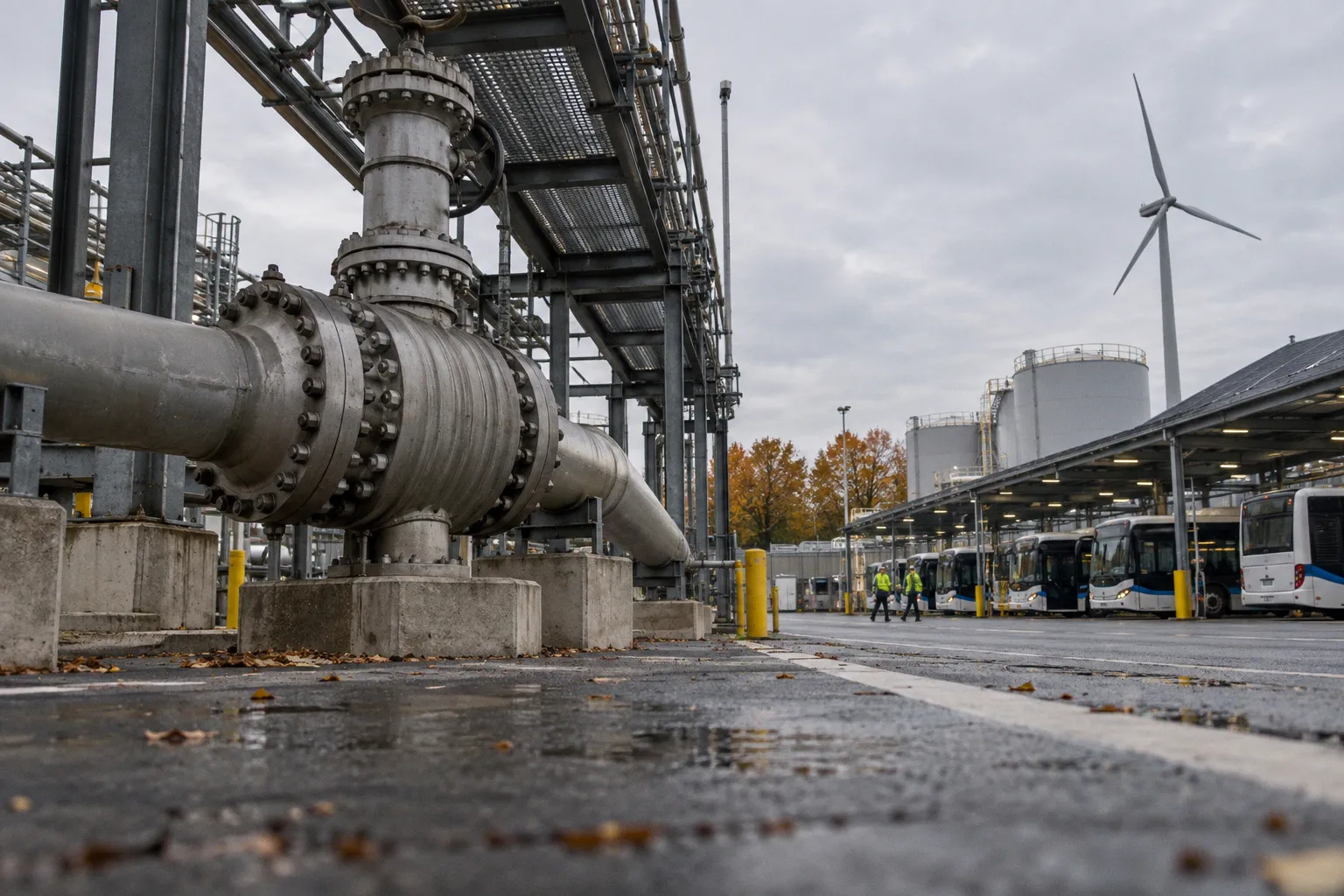
A wind farm at full output is worthless when the grid needs it least. Siemens Energy has concluded that this fundamental mismatch — the intermittency of renewable generation — cannot be resolved through solar and wind capacity alone. According to the company, as reported by CNBC, safeguarding global power grids now requires pairing aggressive renewable buildout with battery storage and LNG-fired firm capacity.
The architecture question
Storage addresses the short cycle: evening ramps, cloud cover, sudden drops in solar irradiance. LNG handles what batteries cannot at scale — multi-day lulls and seasonal deficits that exceed the realistic operating window of current storage technology. The framing matters because it recasts the energy transition as a capex allocation problem rather than an ideological contest. Cheap marginal electrons from renewables do not obviate the need for firm capacity. They compound it. Every additional gigawatt of variable generation increases the system's exposure to weather-driven volatility, and the only proven hedge remains dispatchable thermal or stored energy held in reserve. Siemens Energy is not the first major vendor to acknowledge this constraint; it is the most explicit in tying the conclusion to LNG specifically.
Demand signals worth watching
The Siemens Energy position arrives amid broader signals that the market is wrestling with offtake and reliability simultaneously. The Hydrogen Council, via Hydrogen Insight, projects global clean hydrogen operational capacity will more than double next year — though the same report flags demand uncertainty through 2030. Organizers have announced the Green Hydrogen Global Forum will convene in Jeju, per SBS, even as the commercial case for hydrogen at scale remains unproven. In the U.S., WQAD reports the 2026 Iowa Climate Statement is urging accelerated renewable expansion alongside rising grid demand — a textbook case of policy ambition outpacing engineering assessment.
The procurement test
None of this resolves until contracts get signed. Storage procurement cycles and LNG terminal expansions through 2027 will reveal whether operators are translating this hybrid logic into actual capex. Watch the long-duration storage pilots — flow batteries, compressed air, thermal storage — as well as any policy moves to streamline LNG import infrastructure. Until those deals materialize, the Siemens Energy statement is a posture, not a plan. Utilities that have spent the past decade decarbonizing their rhetoric now face the harder task of decarbonizing their balance sheets without breaking reliability. The cost of miscalculation is already visible in markets that underestimated the storage requirement.