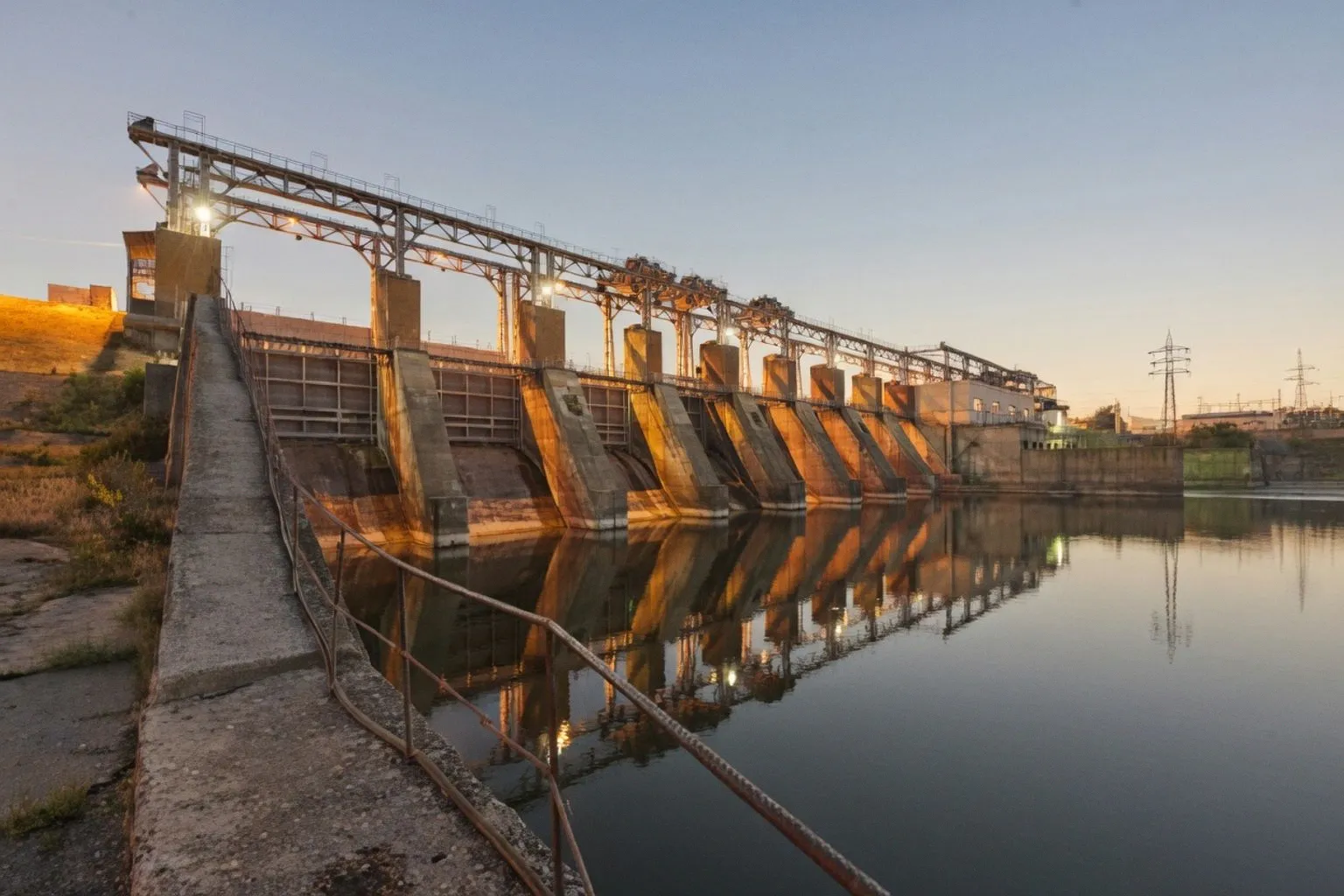
While headlines chase the latest gigawatt of solar capacity, the real constraint on the energy transition is dispatchable output — and a new IUCN–CREEI partnership launched in Beijing puts hydropower, not intermittency-prone renewables, at the center of its research agenda. The collaboration between the International Union for Conservation of Nature and the China Renewable Energy Engineering Institute formally launched this month, targeting the engineering and policy gap where renewable expansion collides with biodiversity and freshwater systems.
What the project actually is
The initiative builds on a memorandum of understanding signed in January 2025 and is structured around two flagship research streams. Planned outputs include a framing paper on sustainable renewable energy systems, technical briefs on methodologies, a hydropower technical guidance document, and a policy paper for regulators and operators covering planning, mitigation, and monitoring requirements.
This is not a deployment program. There are no turbines to finance and no capex targets. It is a standards-and-methodology exercise — the kind of upstream work that, if it succeeds, lowers the transaction cost of every future hydropower decision by making biodiversity safeguards pre-engineered rather than litigated case by case. Stewart Maginnis, IUCN's Deputy Director General, framed hydropower as remaining essential to a renewable grid built around wind and solar, with the caveat that development must protect freshwater ecosystems and the communities that depend on them.
Why the grid math forces this conversation
Scale makes the choice unavoidable. India alone had roughly 236.5 GW of installed renewable capacity by June 2026, excluding large hydropower, with solar at about 162.2 GW and wind near 57.4 GW. That is a meaningful baseload offset, but it is also a system increasingly exposed to intermittency — and increasingly dependent on either storage or flexible generation to keep the lights on.
Pumped-storage hydropower remains the only commercially proven utility-scale storage technology at the duration grid operators actually need. Lithium-ion handles minutes to a few hours; pumped hydro handles overnight and seasonal shifts. As India's 500 GW non-fossil target by 2030 advances, the question is no longer whether to build more hydropower, but how to site it without repeating the ecological mistakes that have stalled projects from the Mekong to the Balkans.
What to track
The deliverables matter more than the launch. Watch for: first, the hydropower technical guidance document and whether it moves beyond existing IFC Performance Standards and the Hydropower Sustainability Standard, or merely restates them; second, whether CREEI's engineering input translates biodiversity metrics into design-stage variables — minimum environmental flows, sediment management, fish passage — that developers can price rather than renegotiate; third, how Chinese EPC contractors, now dominant across Africa and Southeast Asia, adopt or sidestep the resulting standards in cross-border tenders.
The partnership is well-resourced and politically convenient for Beijing. The harder test is whether its outputs survive contact with a competitive EPC market that still optimizes on cost per megawatt, not cost per compliant megawatt.