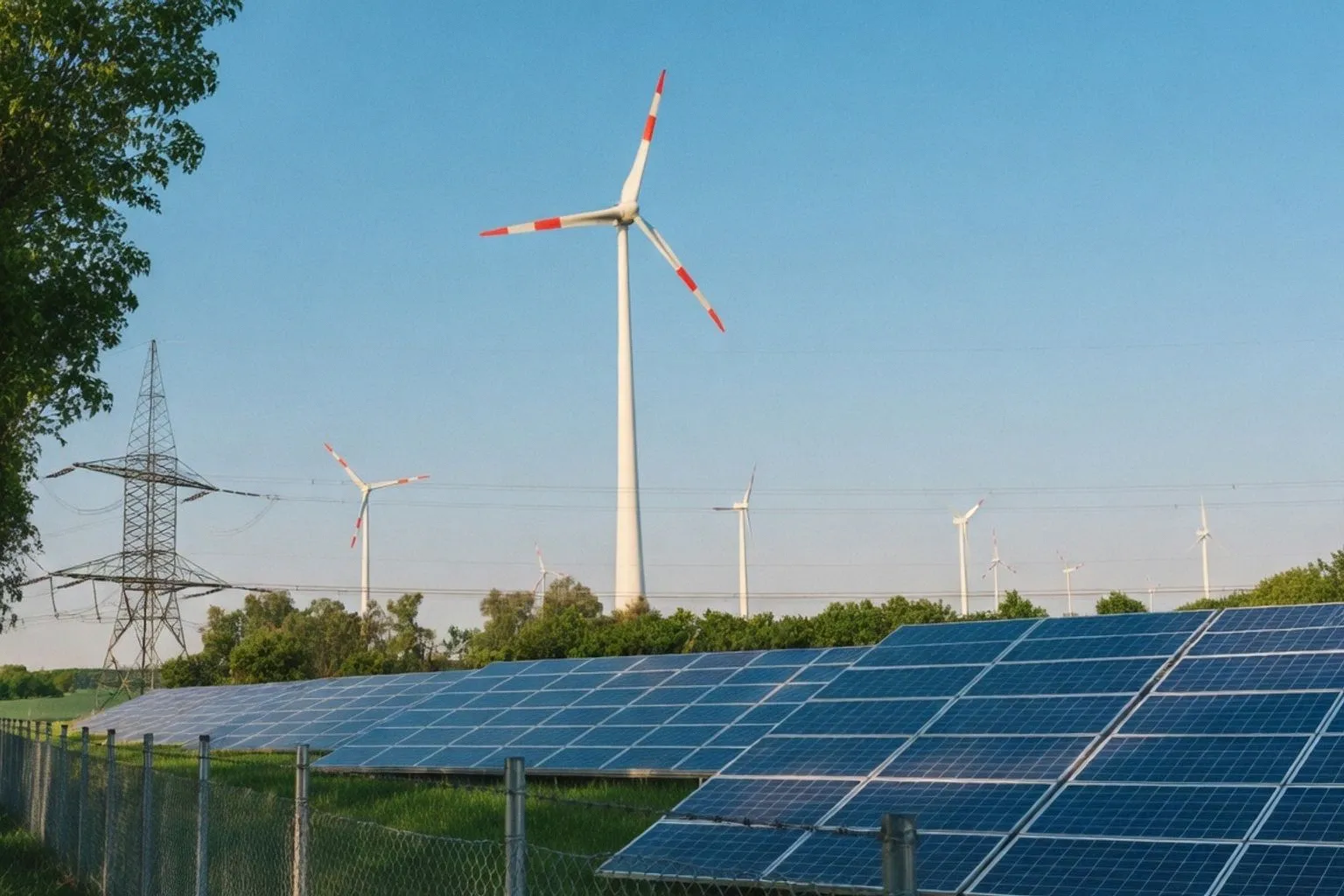
Closing the gap to the 2030 target of 11.2 TW requires averaging 1,200 GW per year through the decade, alongside close to USD 1 trillion in annual grid investment. The constraint is no longer module supply. It is the wire behind the inverter.
The grid math
The IRENA-led assessment, released during Climate Week NYC, is the third progress check against the UAE Consensus goals set at COP28. Its headline numbers flatter the sector. Last year's 693 GW was the highest annual figure on record. The trajectory required, however, is nearly double that pace. Energy intensity — the second pillar of the consensus — improved just 2% in 2025, half the 4% rate needed.
The funding gap is concentrated in transmission, distribution, and flexibility assets. IRENA's Director-General Francesco La Camera noted that grid infrastructure has failed to keep pace with renewables deployment, and warned that signs of slowing capacity expansion demand a reality check on the path to 1.5°C. Without grid modernization, additional generation either curtails or fails to connect at all. The COP31 Presidency in Türkiye is positioning electrification — 35% of final energy consumption met by electricity by 2035 — as the operational test of whether consensus commitments translate into project pipelines.
Engineering response: grid-forming and AI
The technical lever is grid-forming inverter control. Unlike conventional grid-following inverters, grid-forming devices can synthesize voltage and frequency references independently, replicating the stabilizing function that synchronous generators have historically provided. As synchronous fossil capacity is phased out, this capability is shifting from demonstration projects to procurement specifications — a transition that Power Technology and pv magazine both flag as central to absorbing higher shares of inverter-based resources without destabilizing the grid.
AI sits on top of this hardware shift rather than replacing it. Machine-learning forecasting, dispatch optimization, and dynamic line rating are the software substitute for spinning reserve. Combined with battery storage, they allow existing transmission to carry more energy without new rights-of-way. ADIPEC 2026 has framed its agenda around resilient and intelligent grid infrastructure — a signal that Gulf utilities are preparing capex envelopes around these exact specifications.
What to watch
Three signals will indicate whether the 1,200 GW trajectory is real. First, the binding finance commitments behind the COP31 Presidency's 35% electrification target; rhetoric without capex is the failure pattern of the past two COPs. Second, the storage-to-renewables commissioning ratio in 2026 data; without it, grid-forming stabilizes a system that still browns out under heat-wave load. Third, the ADIPEC project announcements — particularly from GCC utilities and Chinese EPCs — on the size and timing of grid-scale battery and HVDC interconnectors. Those numbers are the cleanest read on whether the trillion-dollar grid figure is pipeline or press release.