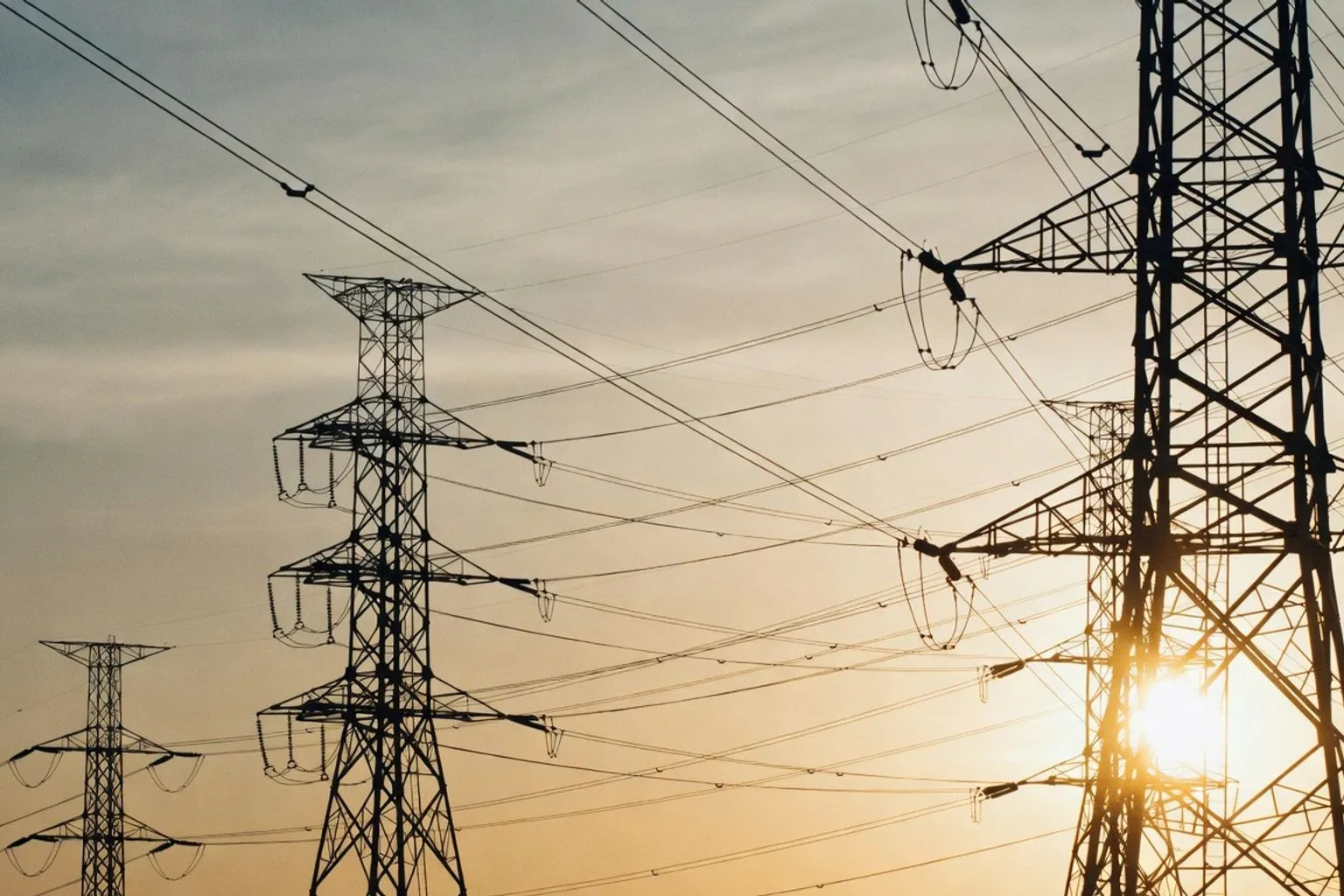
National Energy System Operator (NESO) has placed the price tag at more than £150 billion, split between transmission work required by 2030 and projects stretching well beyond that horizon. Without it, the government's Clean Power 2030 target of lifting clean generation from 60% to 100% remains paper.
The Capex Stack
NESO's latest estimate breaks the bill into two tranches: £64 billion for transmission by 2030, and a further £89 billion thereafter. The spend funds new pylons, subsea cables, and converter stations capable of connecting the country's wind and solar pipeline to demand centers. To gauge the pace, NESO projects that roughly five times as much grid infrastructure will be built in the coming years as was added over the previous three decades. The underlying driver is volatility in fossil fuel markets, aggravated by ongoing geopolitical conflicts that have made imported fuels a liability rather than a hedge.
Concrete Projects, Concrete Miles
The headline figure translates into physical assets with measurable footprints. An analysis cited by The Guardian puts required new cabling at over 4,000 miles by 2041, operating at 400,000 volts. In Scotland alone, £22 billion is committed over the next five years for more than 1,100 pylons running 460 km through the Highlands, islands, and northeast. A separate £4 billion subsea link will run roughly 315 miles from Peterhead in Aberdeenshire to Drax in North Yorkshire, moving renewable electricity beneath the sea to southern load centers. These are not aspirational targets; they are signed engineering commitments.
The Real Bottleneck Is Transmission, Not Generation
Britain is no longer short of clean generation capacity; it is short of the wires that move it. Keith Bell, a professor of electronic and electrical engineering at the University of Strathclyde, noted that insufficient transmission network capacity will keep the country dependent on fossil fuels and exposed to fuel-price shocks. The structural point is straightforward: intermittent wind and solar output only converts into dispatchable supply if the grid can deliver the electrons from coast to demand. Intermittency cannot be solved by adding more turbines.
The harder constraint may now be social rather than technical. Thousands of miles of new cable must cross rural terrain, and a "not in my backyard" response is already visible among affected residents. Permitting timelines, route disputes, and compensation frameworks will determine whether the £150 billion lands on schedule, or slips into the same delivery backlog that has stalled comparable infrastructure elsewhere. Commercial viability, in other words, hinges less on capex appetite than on the political throughput of the planning system.