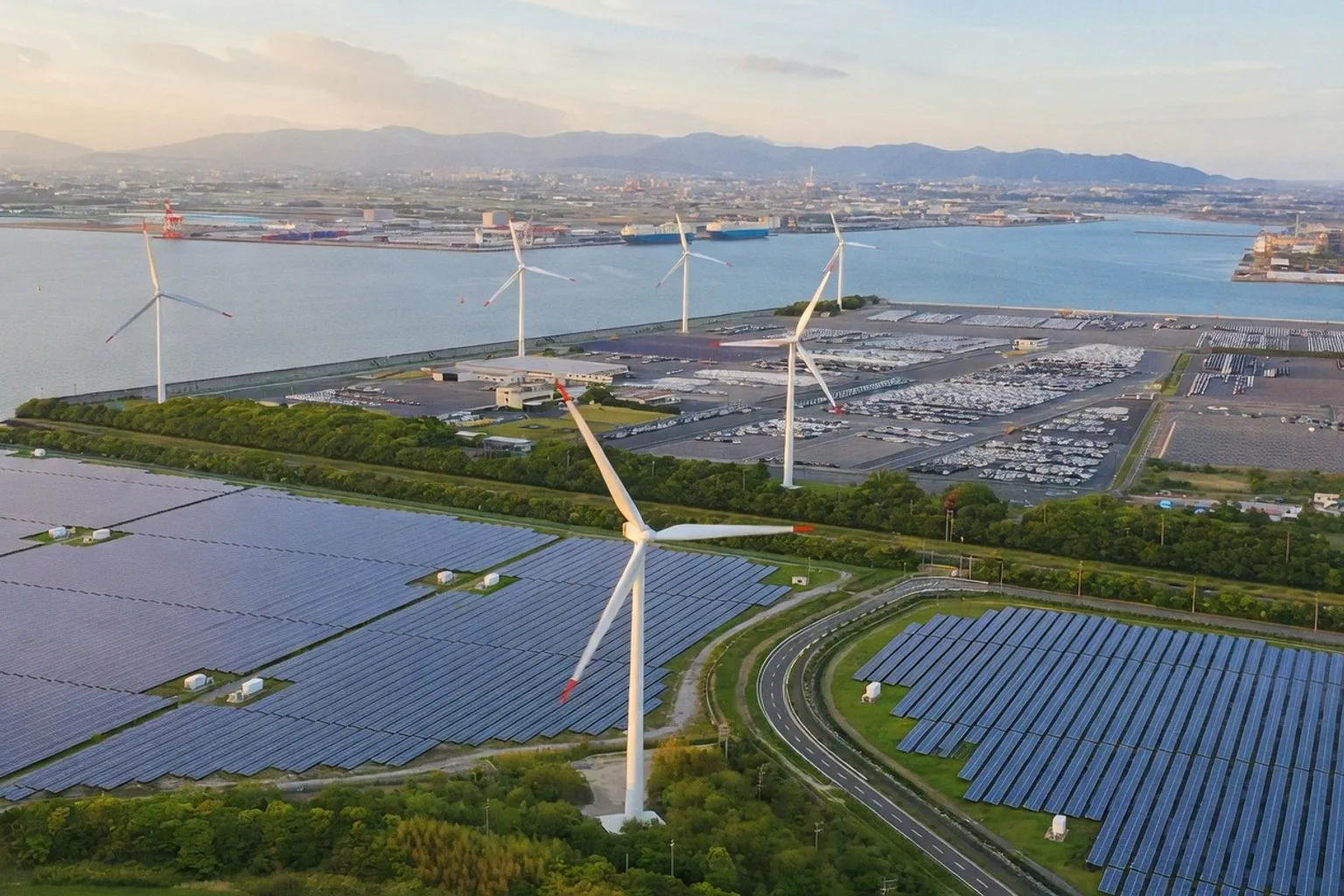
The same news cluster places that concern alongside reports that tackling air pollution and the climate crisis could deliver substantial economic gains by 2050. The message is familiar: energy is no longer merely an operating cost, but the awkward intersection of competitiveness, security and climate policy.
Resilience is the new corporate framework
The wording matters. “Resilience” is a more flexible term than decarbonisation, and therefore a more convenient one. It can describe cleaner energy, diversified supply, infrastructure investment—or simply a company’s attempt to remain functional when markets become volatile. In corporate strategy, such flexibility is often praised as pragmatism; it can also become a respectable label for postponing difficult choices.
ET Edge Insights presents energy resilience as a response to global uncertainty, while BusinessGreen reports a United Nations assessment that addressing air pollution and the climate crisis could increase the global economy by 4.5 per cent by 2050. MorungExpress gives a different formulation of the same reported UN finding, stating that every dollar invested in tackling climate change and pollution together could generate $15 in economic benefits.
Those figures are striking, but the available reports do not provide the underlying methodology or the conditions attached to the estimates. They should therefore be treated as reported claims, not as a universal return guaranteed to every company, project or government. The distinction is less glamorous than the headline—and considerably more useful.
What businesses should examine
The practical question is not whether resilience sounds desirable. It is what a company means by it when the budget is being allocated.
Investors and executives should look for evidence that the term is tied to specific decisions: energy procurement, infrastructure, exposure to volatile markets, or the costs associated with pollution and climate-related disruption. A strategy that invokes resilience without identifying the risk it is meant to reduce remains a non-binding framework in all but name.
The same scrutiny applies to transition spending. If the economic case rests on future benefits, companies should disclose which assumptions support those benefits and how sensitive the outcome is to policy, prices and implementation. Otherwise, the language of opportunity can function as a softer substitute for accountability.
For readers tracking climate policy and corporate sustainability, the immediate task is to separate three claims that are often bundled together: energy resilience as a business priority, climate action as an economic investment, and the specific financial return attached to that investment. The evidence presented in the source cluster supports the existence of these claims—not their automatic compatibility.
The unresolved bargain
The emerging corporate position appears to be that climate action, pollution control and energy security can reinforce one another. That may be true in some circumstances, but the reported headlines leave open the questions that matter most: who pays upfront, who captures the gains, and which risks are quietly transferred elsewhere?
Energy resilience may indeed become a business imperative. But unless companies attach the word to measurable exposure, transparent assumptions and enforceable commitments, it risks becoming another polished framework—secure enough for a press release, and still rather vulnerable in the real world.