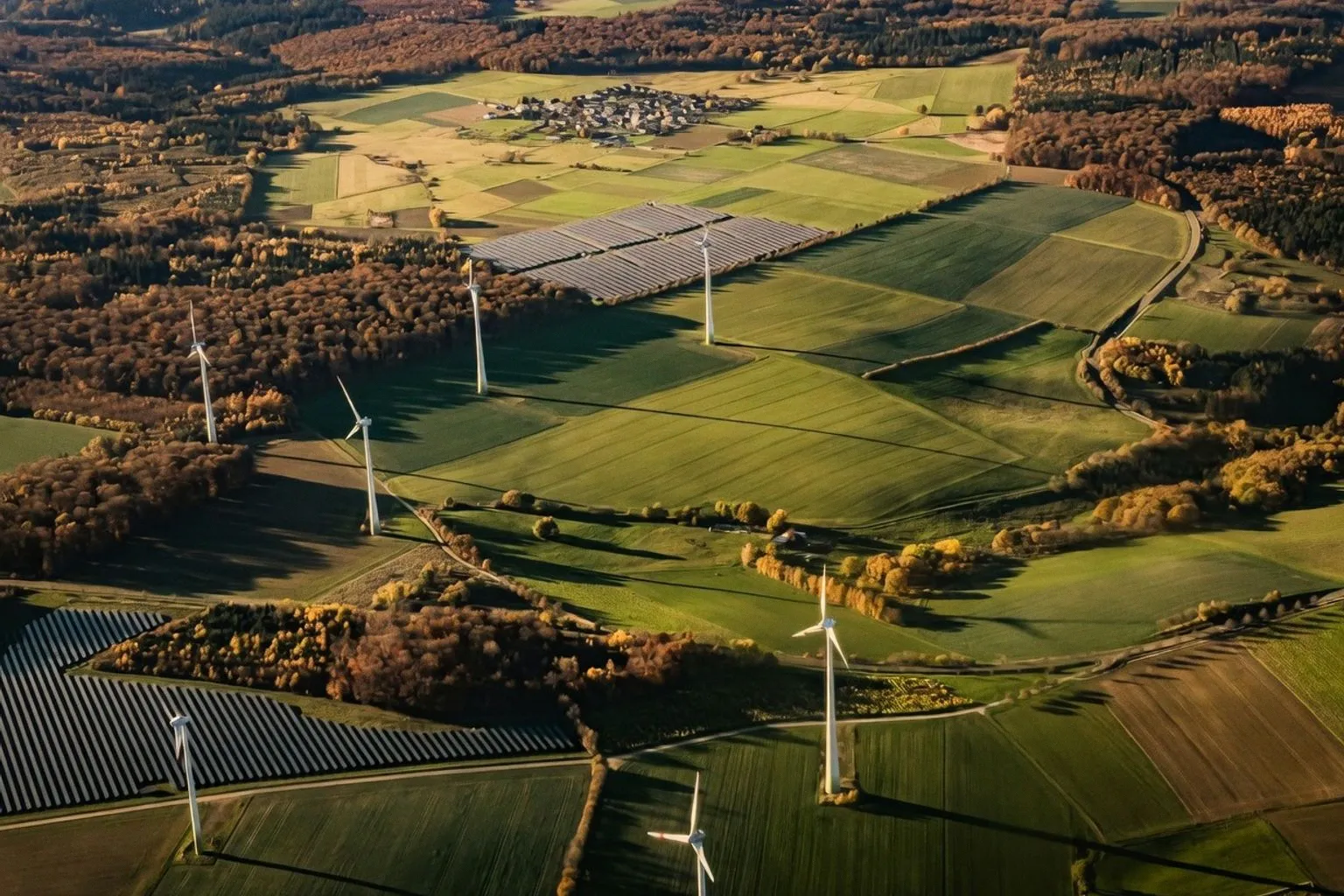
The figure inverts the conventional framing of renewables as a cost burden: the price-suppression effect compounds as capacity scales, and it is already doing measurable work against the fossil-fuel-driven inflation that keeps pushing the bloc's headline rate upward.
The fossilflation arithmetic
EU inflation is approaching 3% as of July 2026, with global oil and gas prices the principal driver. The mechanism is structural rather than episodic. Gas- and coal-fired plants purchase fuel continuously, tying running costs to commodity markets that move on wars, shipping disruptions, and political statements alike. A commissioned renewable asset carries near-zero marginal cost and weather-forecastable output. Its exposure to commodity shocks is limited to the capex of new builds — not the operating cost of the existing fleet. That asymmetry is what produces the 24.2% wholesale differential, and why levelised cost comparisons consistently favor solar and wind for any new capacity decision in Europe.
Where the bottleneck actually sits
The constraint on faster European deployment is no longer module or turbine pricing. It is the cost of capital. Capital-intensive renewable projects require long-tenor debt at predictable rates; every basis point of risk premium translates directly into higher tariffs or stranded balance sheets. Egypt's parallel trajectory illustrates the financing logic at utility scale: a planned 2,500 MW addition in 2026, a 42% renewable share target by 2030, and Scatec's announced $5 billion two-year commitment — all predicated on bankable power purchase agreements and credible offtake structures. According to an IMF assessment cited in coverage of the Egyptian program, the country introduced private-to-private renewable trading through the national grid in 2025, with four projects totaling 400 MW already approved to sell directly to industrial consumers. Europe can replicate that financing architecture, or watch energy-intensive industry migrate to regions that do.
Signals worth tracking
Three data points will determine whether the 24.2% figure expands or contracts over the next reporting cycle. First, quarter-on-quarter movement in EU wholesale baseload prices — the price-suppression mechanism should strengthen as more renewable capacity comes online, not weaken. Second, the spread between renewable LCOE and the all-in weighted average cost of capital for European projects; convergence there is the leading indicator of actual deployment velocity. Third, whether announced project pipelines convert into financial investment decisions at the rate the Inflation Reduction Act-style commitments elsewhere have demonstrated is achievable. The engineering case is closed. The question is whether European capital markets price it accordingly.